How Pet Grooming Helps Prevent Fleas and Skin Problems
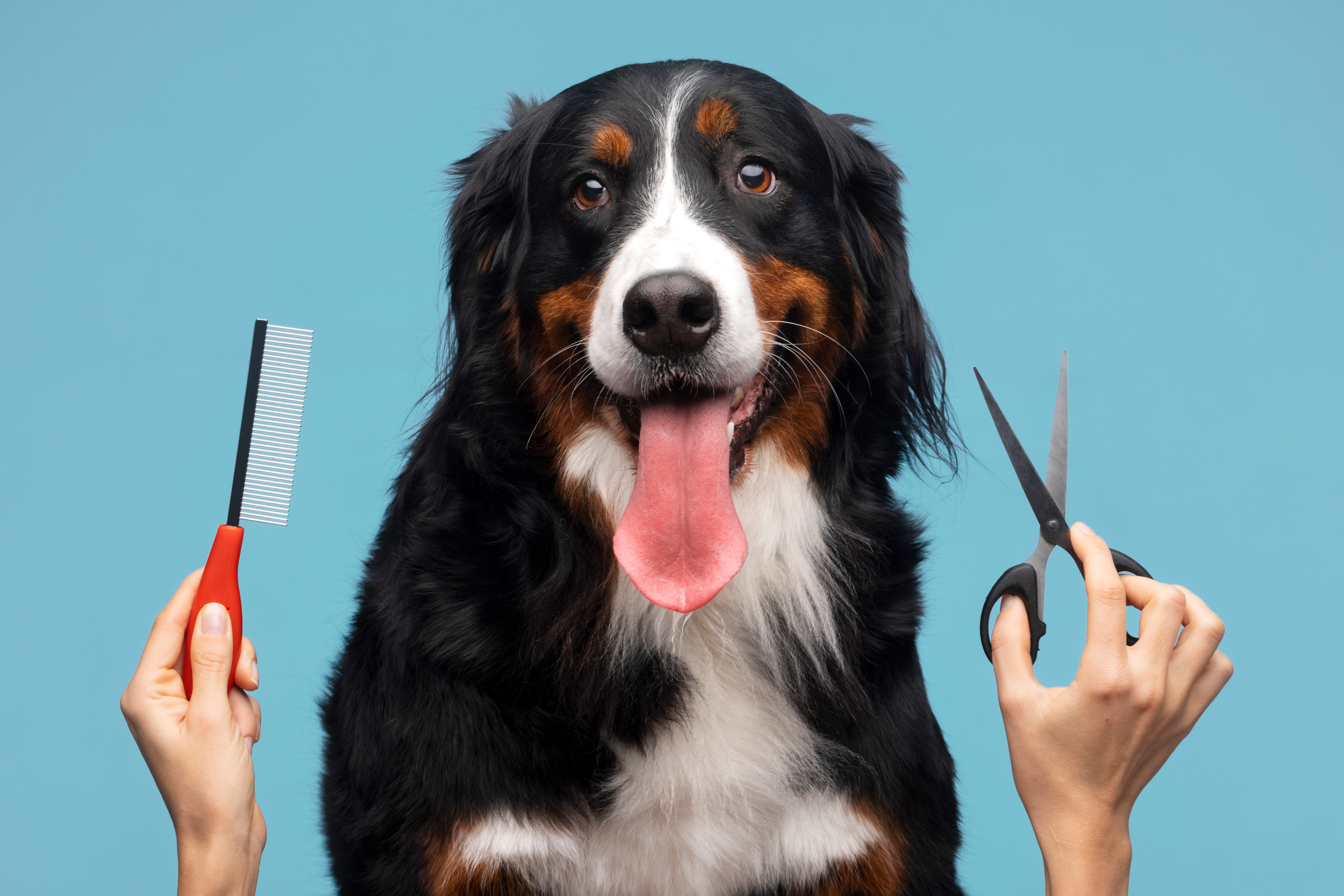
Regular grooming helps prevent fleas and skin problems by removing dirt, loose hair, flea eggs, and parasites before they become serious. Brushing improves air circulation, while bathing removes allergens and bacteria that can irritate the skin. Frequent grooming also helps pet owners spot early signs of fleas, rashes, infections, dry skin, or unusual bumps, keeping pets healthier and more comfortable.
Pets bring joy, companionship, and unconditional love into our lives. Whether you share your home with a playful dog, a curious cat, or another furry companion, keeping them healthy is one of the most important responsibilities of pet ownership. While many pet owners focus on nutrition, exercise, and veterinary care, grooming is often overlooked as a key part of maintaining overall health.
Many people view grooming as something that simply keeps a pet looking neat and tidy. In reality, grooming plays a much bigger role. Regular grooming helps maintain healthy skin, reduces the risk of flea infestations, prevents coat issues, and allows owners to identify potential health concerns before they become serious.
Fleas and skin problems are among the most common issues affecting pets. They can cause discomfort, itching, infections, hair loss, and even more serious medical complications if left untreated. Fortunately, a consistent grooming routine can significantly reduce the risk of these problems.
In this guide, we'll explore how grooming helps prevent fleas and skin conditions, why it is essential for your pet's wellbeing, and the best grooming practices to keep your furry friend healthy year-round.
Understanding Fleas and Their Impact on Pets
Fleas are tiny external parasites that survive by feeding on the blood of animals. Despite their small size, they can create significant health issues for pets and households alike.
A single flea can quickly lead to a full infestation. Female fleas can lay dozens of eggs every day, allowing populations to multiply rapidly. Once fleas enter your home, they can spread into carpets, furniture, bedding, and other areas where pets spend time.
Common signs of flea infestations include:
Excessive scratching
Biting or chewing at the skin
Red or irritated skin
Hair loss
Small black specks in the coat
Restlessness or discomfort
Some pets develop flea allergy dermatitis, a condition where even a single flea bite can trigger intense itching and inflammation.
Regular grooming helps identify and remove fleas before they become a larger problem.
The Connection Between Grooming and Skin Health
Healthy skin is your pet's first line of defense against infections, parasites, and environmental irritants. Grooming supports skin health in several ways.
When pets are groomed regularly, dirt, dead skin cells, excess oils, and allergens are removed from the coat. This helps maintain a healthy environment for the skin and reduces the risk of irritation.
Brushing also stimulates natural oil production. These oils help keep the skin moisturized while providing a protective barrier against external contaminants.
Without regular grooming, debris can accumulate within the coat, creating conditions that may contribute to skin irritation, hot spots, infections, and parasite infestations.
How Brushing Helps Prevent Fleas
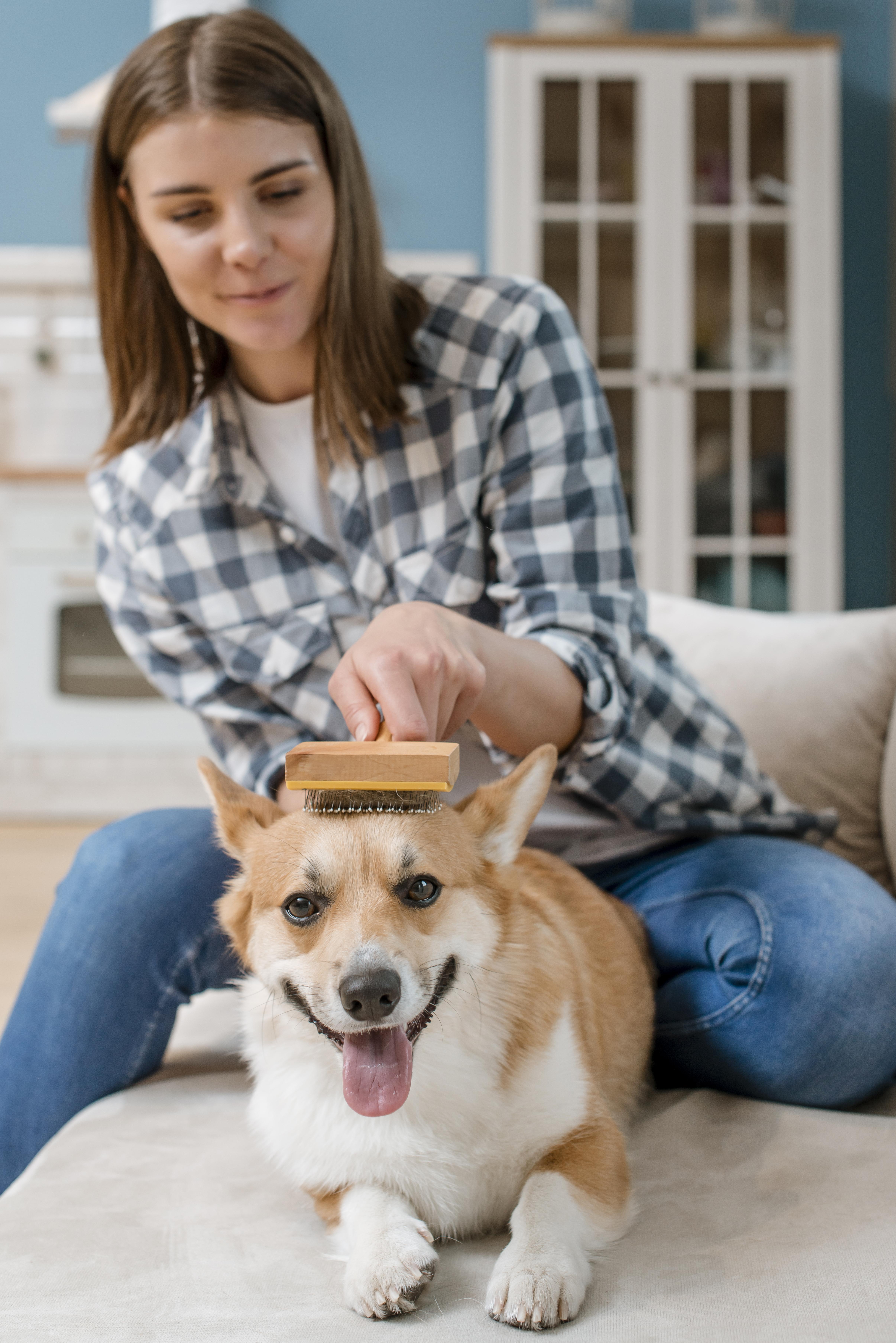
Brushing is one of the most effective preventative grooming techniques.
Regular brushing helps by:
Detecting Fleas Early
One of the biggest advantages of brushing is the ability to identify fleas before they become a serious infestation. While brushing, owners can inspect the skin and coat for live fleas, flea dirt, eggs, or signs of irritation.
Early detection often means treatment can begin before fleas spread throughout the home.
Removing Flea Eggs and Debris
Although brushing alone won't eliminate a flea infestation, it can help remove flea eggs, dirt, and loose debris from the coat.
By reducing the number of flea eggs present on the pet, brushing helps limit flea reproduction and population growth.
Improving Coat Condition
A healthy, well-maintained coat is less attractive to parasites. Brushing distributes natural oils throughout the fur, helping maintain skin health and reducing conditions that fleas may exploit.
The Role of Bathing in Flea Prevention
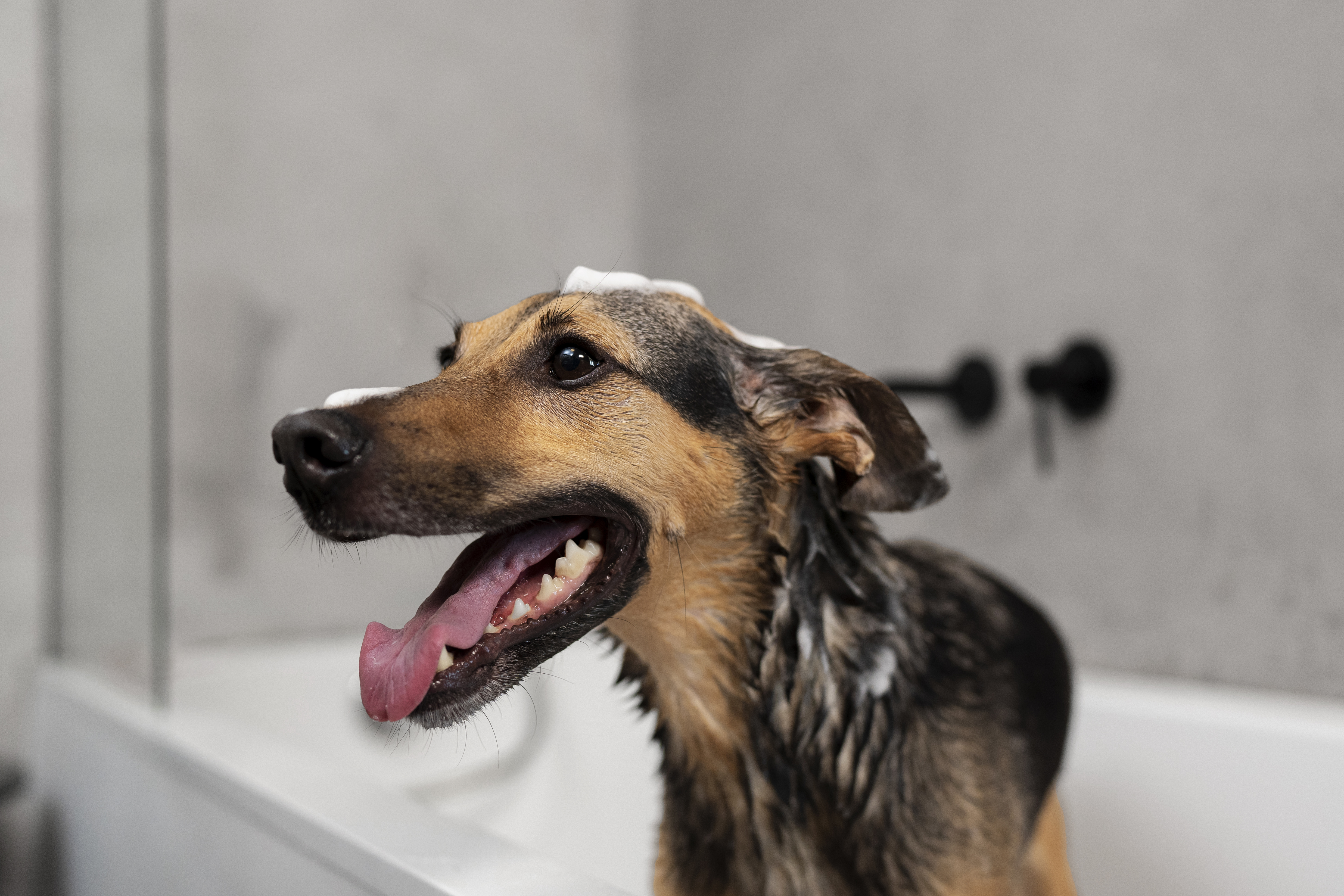
Bathing is another valuable component of a complete grooming routine.
When performed correctly, bathing can help:
Wash Away Fleas and Allergens
Bathing removes dirt, pollen, environmental allergens, and some external parasites from the coat. Specialized shampoos may also assist in managing flea populations and soothing irritated skin.
Reduce Skin Irritation
Pets often encounter allergens and irritants during outdoor activities. These substances can accumulate on the coat and trigger itching or inflammation.
Regular baths help remove these irritants before they cause significant skin problems.
Support Skin Hydration
High-quality pet shampoos are designed to clean without stripping essential oils from the skin. Maintaining proper moisture levels helps reduce dryness and flaking.
Grooming Helps Identify Skin Problems Early
One of the most valuable benefits of grooming is early detection.
During grooming sessions, owners have the opportunity to inspect their pet closely. This allows them to notice changes that may otherwise go unnoticed.
Potential warning signs include:
Red patches
Dry skin
Excessive dandruff
Scabs
Unusual lumps
Open sores
Hair thinning
Signs of infection
Early identification often leads to quicker treatment and better outcomes.
Preventing Hot Spots Through Grooming
Hot spots are painful, inflamed areas of skin that develop due to excessive licking, scratching, or moisture trapped beneath the coat.
These skin lesions can become infected if left untreated.
Regular grooming helps prevent hot spots by:
Keeping the coat clean
Removing mats and tangles
Improving airflow to the skin
Identifying irritation early
Long-haired breeds are particularly vulnerable to hot spots if grooming is neglected.
Why Mat Removal Is Important
Matted fur is more than a cosmetic issue.
Mats can trap moisture, dirt, bacteria, and parasites close to the skin. This creates an environment where infections and skin irritation can thrive.
Severe matting may:
Restrict airflow
Cause discomfort
Pull on the skin
Hide parasites
Increase infection risk
Regular brushing and professional grooming help prevent mats from forming.
Professional Groomers Play an Important Role
While home grooming is essential, professional groomers offer expertise that can further support skin and coat health.
Professional groomers are trained to recognize signs of:
Fleas
Ticks
Skin infections
Allergic reactions
Coat abnormalities
They can often identify developing problems before they become severe.
Many professional grooming services also include flea treatments, coat maintenance, ear cleaning, and skin inspections.
Grooming and Seasonal Flea Prevention
Flea activity often increases during warmer months, but infestations can occur year-round.
Regular grooming becomes especially important during spring and summer when flea populations are most active.
Seasonal grooming helps:
Detect parasites early
Remove outdoor allergens
Reduce shedding
Maintain healthy skin
Improve overall comfort
Consistent grooming throughout the year provides the best protection.
Tips for an Effective Grooming Routine
Every pet has unique grooming requirements based on breed, coat type, age, and lifestyle.
For most pets, a healthy routine includes:
Brushing several times each week
Regular bathing with pet-safe products
Checking for fleas and skin changes
Cleaning ears when necessary
Trimming nails regularly
Scheduling professional grooming appointments when needed
Consistency is the key to preventing many common skin and coat issues.
The Long-Term Benefits of Regular Grooming
Beyond flea prevention, regular grooming contributes to overall health and wellbeing.
Benefits include:
Healthier skin
Reduced shedding
Improved coat appearance
Early disease detection
Better comfort
Fewer parasite problems
Enhanced bonding between pets and owners
A well-groomed pet is often a happier, healthier pet.
Conclusion
Grooming is far more than a cosmetic routine. It is an essential part of preventive pet care that directly impacts skin health and flea control. Through regular brushing, bathing, coat maintenance, and skin inspections, pet owners can reduce the likelihood of flea infestations while identifying skin issues before they become serious.
Consistent grooming helps maintain a healthy coat, supports natural skin functions, improves comfort, and contributes to overall wellbeing. Whether performed at home or by a professional groomer, grooming should be viewed as a critical investment in your pet's long-term health.
By making grooming a regular part of your pet care routine, you can help ensure your furry companion remains comfortable, healthy, and protected from fleas and common skin problems throughout the year.
Frequently Asked Questions
Most pets benefit from brushing several times per week and regular bathing as recommended for their coat type. Frequent grooming helps detect fleas early and maintain healthy skin.
Looking for a trusted professional?
Compare quotes from vetted tradespeople in your area — free and no obligation.
Get Free Quotes →