What Is a Handyman
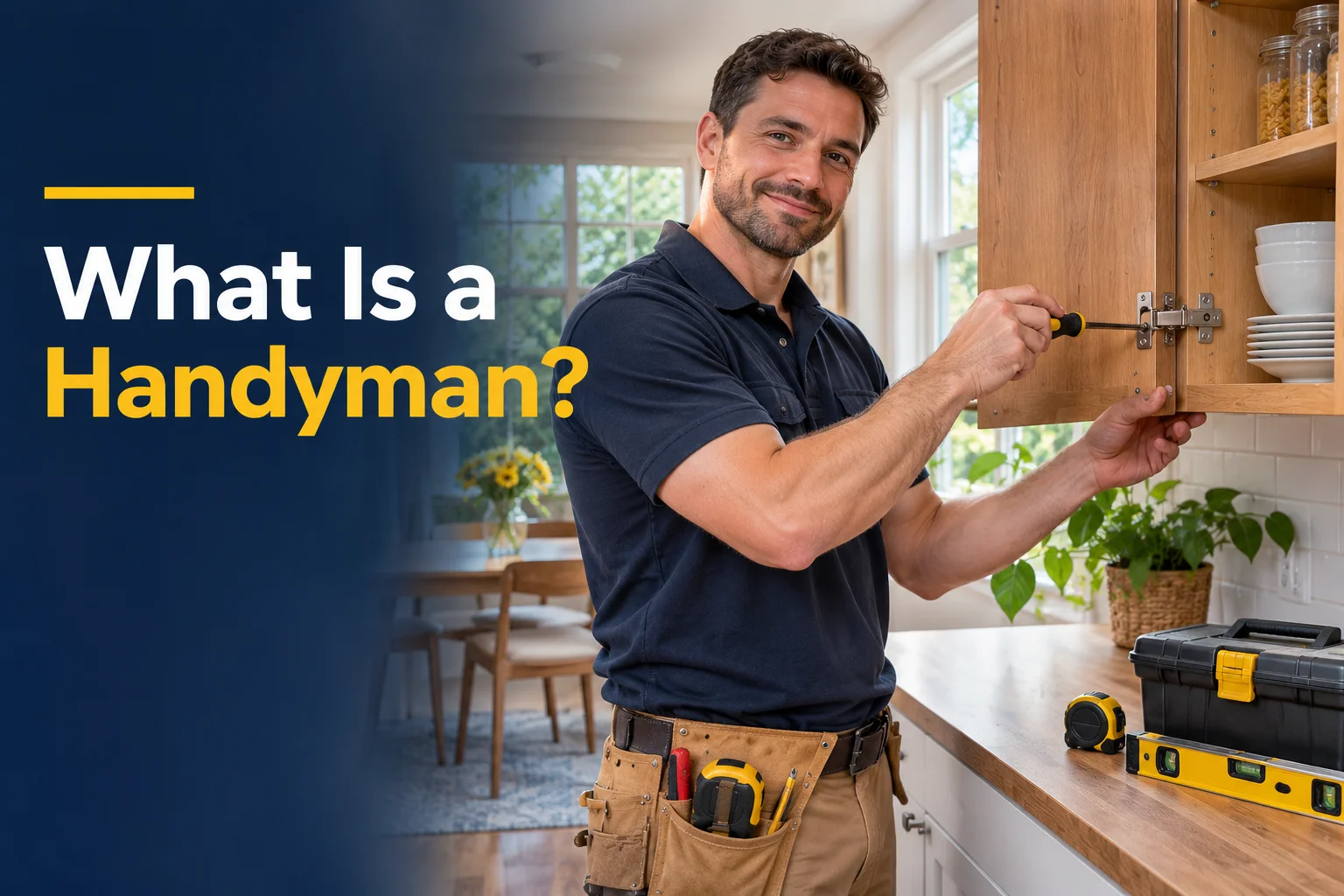
A handyman is someone skilled in many kinds of house repairs, installations, and maintenance. For example, a handyman can fix leaking taps or damaged doors, assemble furniture, and even build shelves.
Their services come in handy if there are lots of repairs to be done, but they do not need specialized contractors. However, this does not mean that any repair can be done by a handyman. For example, large jobs requiring major work or special licenses need to be done by a licensed professional, depending on regulations in the area.
Knowing what type of services a handyman provides and when to consider hiring one allows you to evaluate if this hired help is right for your household.
What Does a Handyman Do?
A handyman performs various repair work, installations, and maintenance jobs necessary for keeping a property working properly. The work of a handyman can differ depending on the type of services he provides and his experience. Some handymen specialize in small home repairs, while others do furniture assembly and minor repairs, as well as carry out routine maintenance of a property.
Home Repairs and Minor Improvements
Handymen can fix different problems occurring in household products like broken cupboard doors, damaged hinges, broken door handles, squeaky floorboards, or cracked drywall. They can also eliminate defects, replace old parts of appliances, and carry out minor upgrades for a safe and comfortable living in a house.
Installation and Assembly Work
Installing fixtures and assembling household items are two of the many tasks that a handyman can do for homeowners. This includes assembling flat-pack furniture, putting up shelves, hanging pictures, installing curtain rails, and installing door hardware. They can also help secure suitable items to the walls, but only if the installation has been done correctly and is within their area of expertise.
Routine Property Maintenance
Regular maintenance is the key to keeping small problems from turning into bigger issues. A handyman can perform several tasks like door adjustments, sealant replacement, checking fittings, repairs of fence panels, and several other small maintenance tasks.
What Services Does a Handyman Offer?
Services from a handyman will vary from simple to complex repairs, installation, and maintenance of equipment or objects around the house. Services offered are influenced by various factors such as the handyman's level of training, experience, equipment available, and regulations. While some handymen work in more than one field, other handymen prefer to work in one field of specialization. Knowing what services are available may help you determine if you require a handyman or a specialist in that field.
Carpentry and Woodwork
Carpentry is an area of handyman services, especially for small repairs or installations. A handyman will be responsible for fixing loose hinges, repairing broken furniture, changing knobs, and fitting a shelf, among other things. Other than that, the handyman can carry out tasks such as fitting baseboards, applying trim, and making small sections of joinery.
But work that deals with major timber structures, complex woodworking tasks, or severe damage requires the services of a friend carpenter or another expert.
Painting, Drywall and Wall Repairs
A handyman can perform the job of protecting the interior surface of walls and ceilings by fixing minor damage. Among the usual tasks or repairs performed are filling tiny holes, repairing small cracks, patching damaged drywall, sanding uneven surfaces, and painting over scratched and stained wall portions.
Proper surface preparation should be done because painting a wall that has loose materials or moisture will yield unsatisfactory results.
Larger damages must be treated as well. If an issue is determined to be caused by excess moisture, structural shifts, or leaks, the repair responsibility should be carried by the handyman.
Minor Plumbing Repairs
Basic plumbing repairs are offered by some handymen, especially when it involves common repairs. This could involve swapping out a showerhead, putting in a new faucet, tightening a fitting that's coming loose or replacing a faulty washer, depending on their skill and local regulations.
Handymen can also handle a small leak at an easy-to-reach location if it is evident what caused it. Burst pipes, severe leaks, blocked main drains, repairs that need a plumber, and major repairs involving a lot of pipes could be examples of complicated plumbing jobs requiring the skills of a plumber.
Homeowners should also keep in mind that the recurrence of a leaking problem might be an indication of a bigger problem, and it could be a case of getting rid of the visible problem without addressing the root cause of the problem itself, resulting in further damage.
Minor Electrical Tasks
There are some minor electrical works that can be handled by a handyman depending on the licensing laws and regulations in each individual area. Some examples of electrical installations that would not entail any electrical installation work include mounting bell push receivers, installing cable cutouts, and fitting devices that do not require alteration of permanent circuits.
The replacement of fittings (including sockets and switches) may be hazardous and may only be carried out by an electrician with a license in that state. The qualifications that a handyman should have will vary; hence, it is advised to check your local laws before assuming that a handyman can carry out any electrical work.
If there are any issues related to wiring, malfunctioning circuit breakers, burning odors or other dangerous electrical components, it is necessary to get in touch with a trained technician.
Doors, Windows and Hardware
Doors and windows may experience issues due to regular use, temperature changes, or wear and tear. Solutions involve correcting misaligned doors, tightening loose door handles, replacing broken hinges, fixing jammed latches, and installing new locks.
Such small repairs still provide a lot of convenience, safety, and better insulation for you. However, a broken window pane, a damaged window frame, faulty double glazing, and a severely damaged door frame may require a glazier, specialist installer, or some other professional worker.
Furniture Assembly and Wall Mounting
Furniture assembly is one of the most requested handyman services. Many people want to work with an expert to assemble their flat-packed furniture (wardrobes, desks, beds, bookshelves, cabinets, etc.), which usually complicates the furniture assembly process.
Another kind of work that a handyman can do is to install certain objects (shelves, mirrors, curtain tracks, brackets, etc.) on the walls. Proper selection of the fixings is also very important for a handyman's work since different types of fixings work with different types of walls and the weight of the object that is going to be installed.
For instance, mounting a heavy cupboard on a plasterboard is much more complicated than fixing a lightweight picture on a wall made of solid masonry.
Outdoor Repairs and Property Maintenance
There are some handyman services that can involve outdoor jobs. Typical jobs include fixing fence panels, changing gate locks and fixing shed doors. Handymen can even carry out some minor repairs on outdoor furniture and get rid of the dirt in the gutters that can be easily reached.
However, some repairs such as roof access repairs, major repairs or repairs in special conditions should be done by a qualified tradesman. It is important for homeowners to ask before the start of work about the exact nature of the repair. Nevertheless, it is important to match a handyman with the specifics of a task.
What Jobs Can a Handyman Do Around the House?
A handyman can assist with several minor tasks around the house, including fixing and repairing day-to-day damage. The specific tasks would depend upon their training and skills. The tasks of a handyman are diverse but become clear and apparent when households analyze the most common situations where a handyman may be of help.
Kitchen and Bathroom Repairs
There are tasks like fixing curtain rods, assembling kitchen furniture, and filling in any gap around cabinet fittings.
In the bathroom, a handyman may help with any of the following tasks: change a showerhead, fasten loose towel holders, install toilet paper holders, and fix broken sealant around baths and sinks. More complex plumbing issues, serious leaks, or electrical work would require a specific expert.
Bedroom and Living Room Fixes
Living and bedroom spaces can often require easy and inexpensive fixes to improve usability. The handyman can assemble any bed, wardrobe, desk or bookcase, mount television sets, and hang a mirror or curtains.
All of these jobs allow for the neat and orderly maintenance of these types of rooms without the need for complete renovations.
Garden, Fence and Exterior Repairs
When working outside the house, a handyman can fix loose fence panels, solve problems with hinges, repair doors of the garden shed, assemble furniture for outdoor use, or paint wooden surfaces that look worn out.
Moreover, the handyman can carry out maintenance work on the deck and other installations outside the building.
However, bigger jobs that include unsafe structures, major roof repairs, and dangerous conditions are beyond the realm of handyman services.
What Can a Handyman Not Do?
While a handyman is able to deal with routine repairs, not all repairs can be undertaken by them. Certain jobs require professional qualifications, licences, permits, or special equipment that a handyman does not possess.
Before getting something fixed, homeowners should check the person's qualifications and experience to ensure they are allowed to do the work. Regulations vary in different regions; therefore, what is acceptable for one specialist in one region may not be permitted in another area.
Major Plumbing and Electrical Work
Large-scale plumbing works require the help of a certified plumber, e.g. work related to the installation of new pipework, repairs of broken pipes, complicated drainage systems, and new water heaters. The same goes for electrical work that involves fixed systems, new circuits, and serious malfunctions.
Structural Repairs and Major Renovations
The tasks involved in minor cosmetic repairs are dissimilar from those associated with structural repair.
Examples of structural repairs include cutting out a load-bearing wall or repairing foundation problems that are big. It may involve changing structural beams or fixing roof or floor degradation. Structural repairs often require a structural engineer or specialist contractor, building control approval or a permit depending on the project requirements.
If one misses the source of structural damage, this could cause problems in the future.
Specialist Roofing, Gas and HVAC Work
Some jobs need specialized equipment, training, or safety measures that exceed a general handyman's skill set. Roofing jobs that involve deeper repair work, damaged roofing structures, or advanced waterproofing usually demand the work of a qualified roofer.
Installing or fixing central heating systems, air conditioning systems, refrigerant lines, and other HVAC systems might also need competent technicians. Likewise, work with gas appliances needs to be performed by experts meeting all legal qualifications.
A handyman may be able to do elementary maintenance tasks but should not be relied upon to handle all repairs around the house.
The crucial distinction would be the level of complexity and danger of the job. Before hiring the handyman one needs to present the problem, ask for related experience, and check the availability of any credentials, licenses, or permits.
Is It Better to DIY or Hire a Handyman?
Whether to undertake a repair on your own or enlist the aid of a handyman will depend on the nature of the task, your experience, whether you have the right tools to do the job, and any risks posed by the repair. Some stuff we can do ourselves without needing a professional, while others may require an expert to complete.
When DIY Makes Sense
DIY is an attractive option for completing easier tasks that don't necessitate special skills. For instance, you might: tighten a loose cabinet handle, put together a tiny piece of furniture, hang up a light picture frame, or touch up a small spot. If you have the needed tools and know what to do, you can save labor costs on those things.
When Professional Help Is Worth the Cost
If you have many repairs, do not have the necessary tools, or are clueless about fixing the problem, hiring a handyman may be a good idea. A handyman can help you do things quickly without causing a problem that could result in more costs.
It can also be easier to arrange for multiple minor jobs to be done at once than to take the time to find the equipment, buy parts, and fix things piece by piece.
Safety Risks to Consider Before Starting a Repair
Some repairs may come with risks worth thinking of. Working at heights, dealing with electricity and gas appliances, or fixing structural damage could result in injuries and damage to property if done improperly. If you suspect something is not right, ask for help instead of risking your wallet.
How Much Does It Cost to Hire a Handyman?
In the USA, the price of hiring a handyman varies based on the kind of repair, the duration of time spent working, and the geographical area.
In 2026, typical rates are $60 to $75 per hour for handyman services, with rates varying from approximately $45 to $125 per hour depending on the handyman and nature of the work performed. Meanwhile, some sources indicate that the range of hourly rates is wider, from $60 to $125, with materials often excluded from this price range.
Hourly Rates vs. Fixed-Price Jobs
Handymen offer their services on an hourly basis or depending on the completed job. Hourly rate payments are preferred when many unrelated repairs should be done, or it is difficult to predict how much time is needed for performance of a repair. Fixed rate quotations usually have better value when it comes to clearly defined tasks such as wardrobe assembly or mounting shelves because the total cost of labor is known before a handyman begins his job.
Some professionals also charge a minimum service fee, even if the job takes less than an hour. For example, a handyman may require payment for the first two hours of labor or charge a minimum amount to cover travel and setup. For several small repairs, arranging one visit may therefore be more economical than booking separate appointments.
What Affects the Cost of Handyman Services?
The price can be influenced by various factors:
Type of repair: Simple jobs will likely cost less than more complicated repairs needing certain expertise.
Time of work: The longer the job takes, the greater the expenses for labor.
Location: Hiring a handyman in a bigger city will be more expensive compared to a cheaper town.
Tools and materials: Cost of materials used, specialized tools, and other items can increase the service charge.
Urgency: Getting a handyman in the evening or at weekends can cost more than booking him in standard working hours.
Experience and overhead costs: Reliable and established companies have higher prices than independent handymen due to various expenses incurred on business, insurance and other activities.
Are Materials, Travel and Call-Out Charges Included?
Although some quotes only include labor costs, others incorporate material costs or may have some additional costs as well. Make sure that you clarify whether any quote contains the necessary materials and extra costs.
For instance, you may receive a quote for repairing the door of a cabinet when the received quote is only for labor while the costs for the new hinge are not included. If the handyman has to purchase the hinge, the customer may be charged for sourcing the part or delivering it.
If you want to be fully aware of the costs of the project, please be sure to describe the work you need done accurately, try to attach photographs if this is possible, and request in writing a detailed estimate and cost.
How Do You Choose the Right Handyman?
Selecting a suitable handyman requires more than comparing costs. You should prefer someone with the right qualifications, experience, and knowledge of the task. By being careful and checking certain essential details before making a choice, you are able to avoid poor-quality work, extra expenses, and delays.
Check Experience and Relevant Qualifications
You may want to first figure out if the desired handyman has the experience necessary to carry out the work that you require. Someone skilled at assembling pieces of furniture may not have relevant knowledge in drywall repairs or other branches of carpentry. Make sure to ask about relevant training and credentials.
Verify Insurance and Required Licences
Make sure to check whether the handyman has the required insurance coverage, such as general liability insurance, which will protect you in case of any damages or claims made against you. Do remember that workers' compensation may also be necessary depending on the job and local laws.
There may be some discrepancies among the licensing regulations of each state and locality. Certain states may give the opportunity to carry out minor repairs without the need to obtain a license, while in other states, particular restrictions may be applied depending on the type or cost of repair work.
Compare Written Quotes and Job Details
Get written estimates from more than one company whenever possible. Each estimate should detail the work to be completed, labor costs, material prices, time to finish, and other fees. When comparing estimates that sit on a level playing field, it will be more apparent what the job will really cost instead of simply picking the lowest-priced one.
Check References and Previous Work
Look for reviews from clients, references, and images of examples similar to the work you need completed. Read about things like punctuality, communication, the quality of the work performed and whether any issues were encountered when working. A good number of good reviews can serve as a reliability score.
Conclusion
Hiring a handyman can be a practical way to handle household tasks that require the right tools, skills, or experience. By understanding the scope of their services, comparing quotes, and checking relevant qualifications, you can find someone suited to your needs and budget.
For work that requires specialist expertise or licensing, choose a qualified tradesperson. Taking these steps helps you make informed decisions about home repairs and keep your property in good condition.
Looking for a trusted professional?
Compare quotes from vetted tradespeople in your area — free and no obligation.
Get Free Quotes →